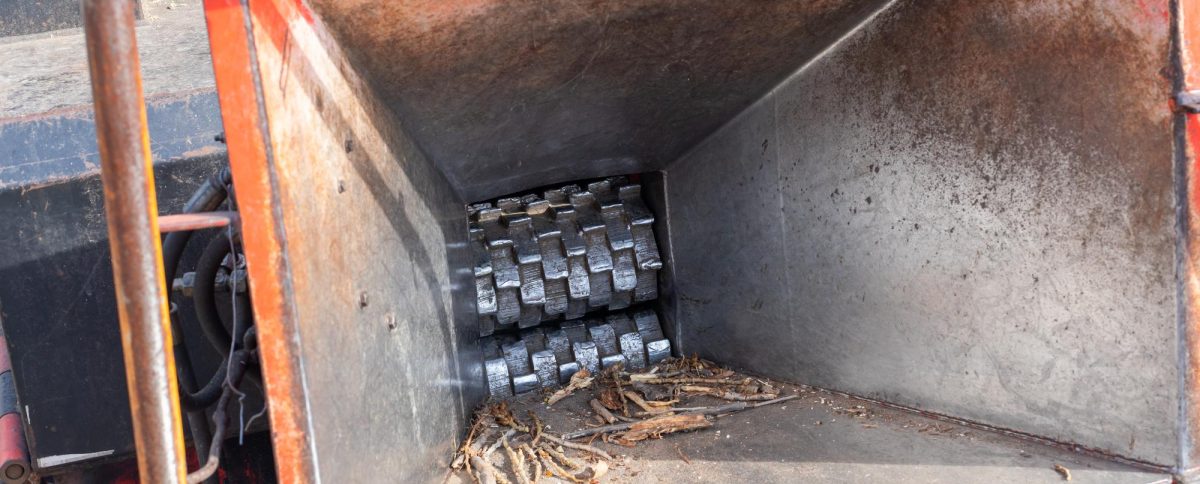
When a company plans to launch or modernize a processing line, the first things it often compares in commercial proposals are the power in kW and the “rated capacity.” This makes sense: the numbers are straightforward and easy to compare. But this is precisely where a common mistake lies—one that can prove costly.
In actual operation, the result is determined not so much by kilowatts as by the input parameters of the raw material and the requirements for the final product. The same shredder or crusher can perform “perfectly” on dry plastic and at the same time “struggle” with a wet, mixed fraction containing impurities. That’s why the right selection starts with questions, not with a model catalog.
Below are 7 questions that will help owners of processing lines, investors, and municipal utilities choose equipment without overpaying, experiencing downtime, or needing unnecessary modifications.
1) What specific material are you grinding, and will it be consistent?
The terms “plastic,” “glass,” or “wood” do not provide an engineer with enough information. The material determines the type of cutting unit, the geometry of the blades, the need for pre-treatment, and protection against contaminants.
It is important to note that:
- the exact type of material (e.g., PET, PE, PP; laminated glass/triplex; bark/wood chips; construction debris)
- Is it a single material or a mixture of fractions?
- Could there be metal particles, stones, sand, or other abrasive impurities?
- Do raw materials vary seasonally or from supplier to supplier?
The more unstable the raw material, the more important it is to have a safety margin, proper protection, and ease of maintenance—rather than “maximum specs” in the technical data sheet.
2) What is the size and shape of the feed fraction?
The feed section is what the feed opening and the cutting unit actually “see.” For a shredder, it matters whether the material consists of large pieces, sheet materials, hollow products, bottles, film, or dense briquettes. For a crusher, it matters whether the material is a pre-processed fraction or oversized pieces that cause peak loads.
Please answer:
- maximum particle dimensions (length/width/thickness)
- Are there any “long” elements that can be wound up?
- how the material is fed—manually, via a conveyor, or through a hopper
- Is preliminary cutting or sorting required?
It is at this stage that the decision is often made as to whether a shredder (primary crushing), a crusher (secondary crushing to the desired particle size), or a combination of the two machines in the production line is needed.
3) What is the humidity, and how does it change?
Moisture directly affects productivity, agglomeration of the material, the risk of clogging, the need for cleaning, and the need for additional components (water drainage, self-cleaning mechanisms, different types of screens, etc.).
Please clarify:
- Average humidity and peak values
- Are there any wet impurities (clay, organic matter, liquid residues)?
- Will the line operate in sub-zero temperatures?
- Is pre-drying or drainage necessary?
Sometimes the right answer isn’t to “go with a more powerful model,” but to change the raw material processing method so you don’t have to pay for excess energy and constant downtime.
4) What kinds of contaminants might you encounter, and how will you protect yourself from them?
Contaminants are the main cause of breakdowns, downtime, and costly repairs. Metal inclusions, stones, glass in plastic, and abrasive particles are particularly problematic, as they quickly “wear down” the cutting edges.
Budget-Saving Tips:
- What kinds of impurities could realistically be present in your stream?
- Is there a sorting stage before shredding?
- Are magnetic separators, metal detectors, screens, and sieves needed?
- Are wear-resistant blade materials, hardfacing, and replaceable parts important?
Protection against impurities is not an “add-on,” but rather part of the project’s cost estimates.
5) What output fraction do you want to obtain, and what is it used for?
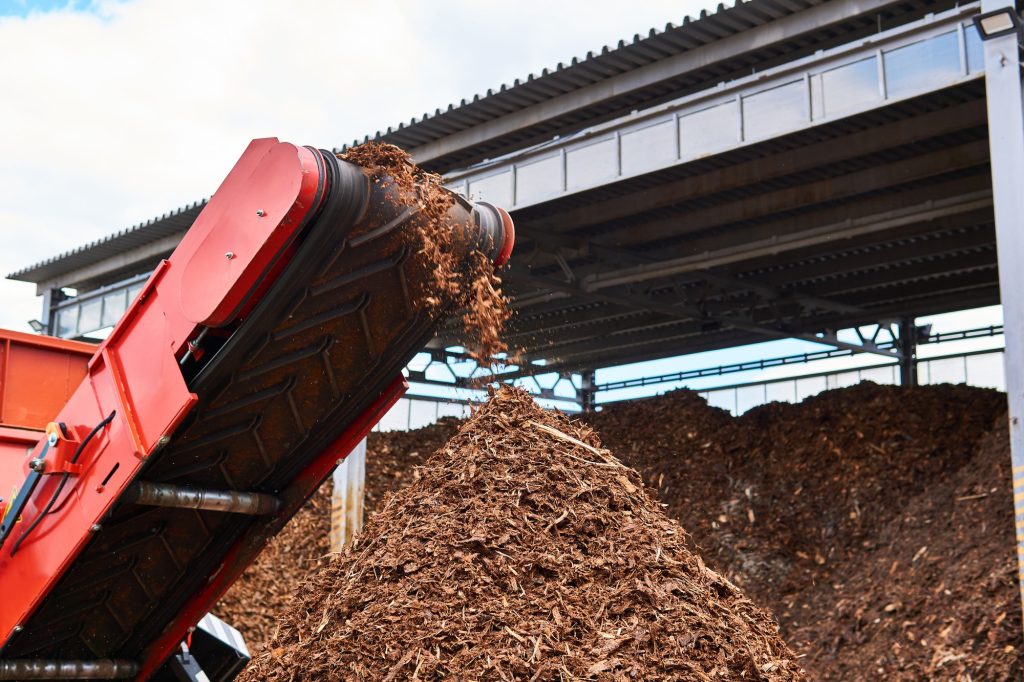
“Finer” does not always mean “better.” The requirements for the output fraction determine the type of equipment, the presence of screens, the number of passes, energy consumption, and process stability.
It is important to note:
- target particle size (a range, not a single number)
- Permissible percentage of “oversize”
- Is uniformity critical for subsequent stages (washing, granulation, briquetting, melting, pressing)?
- Is a dust/debris filter required?
A properly specified initial fraction reduces costs in subsequent stages and increases the price of the final product.
6) What is the required throughput, and in what mode does the line operate?
A “tons per hour” production rate taken out of context can be misleading. One operating mode involves 8 hours a day of steady raw material supply, while another involves an uneven feed, peaks, night shifts, and operating “on demand” based on the supplier’s schedule.
Please clarify:
- desired hourly and shift productivity
- How many hours a day and days a week is the work scheduled for?
- Do you allow short stops for cleaning?
- Is the ability to scale quickly necessary?
This affects the choice of drive, safety margin, thermal conditions, control system, and service arrangements.
7) What level of service do you need: recovery speed is more important than the “perfect” model
For businesses, it’s not just the price of the equipment that matters—it’s also the downtime recovery time. That’s why serviceability and the availability of replacement parts are sometimes more important than the “most expensive configuration.”
Questions to discuss before making a purchase:
- How quickly can the blades, screens, and bearing assemblies be replaced?
- or standardized components
- Are there clear maintenance regulations?
- Is it possible to provide staff training and remote consultations?
- Is turnkey installation and commissioning required?
Service is an integral part of your production continuity—not something to put off until later.
Shredder or Crusher: A Brief Guide to Choosing Between Them
In simple terms:
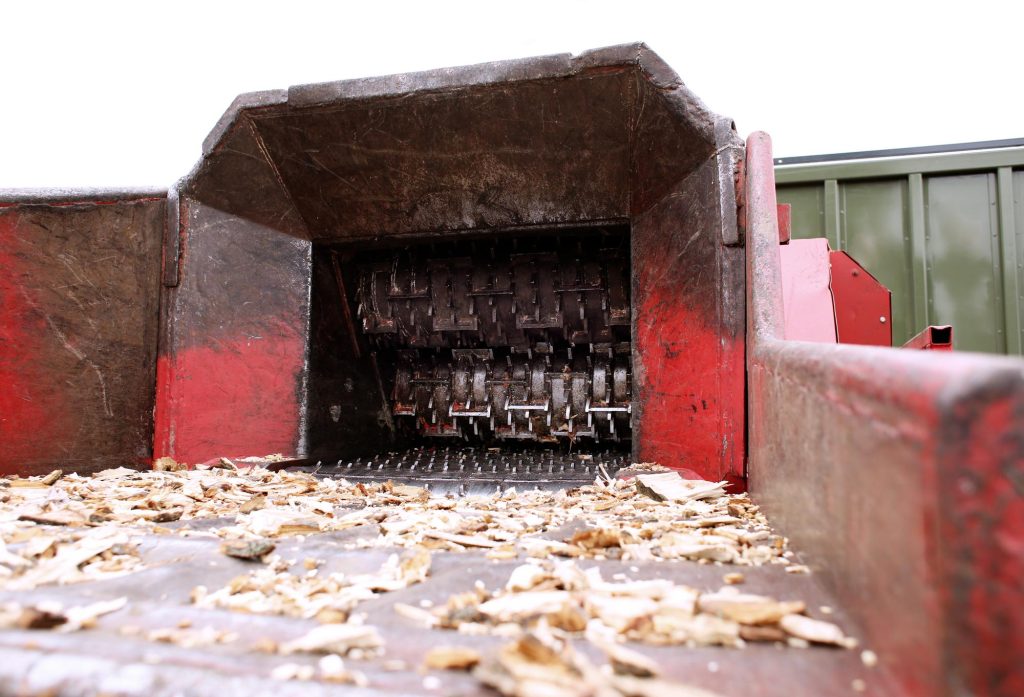
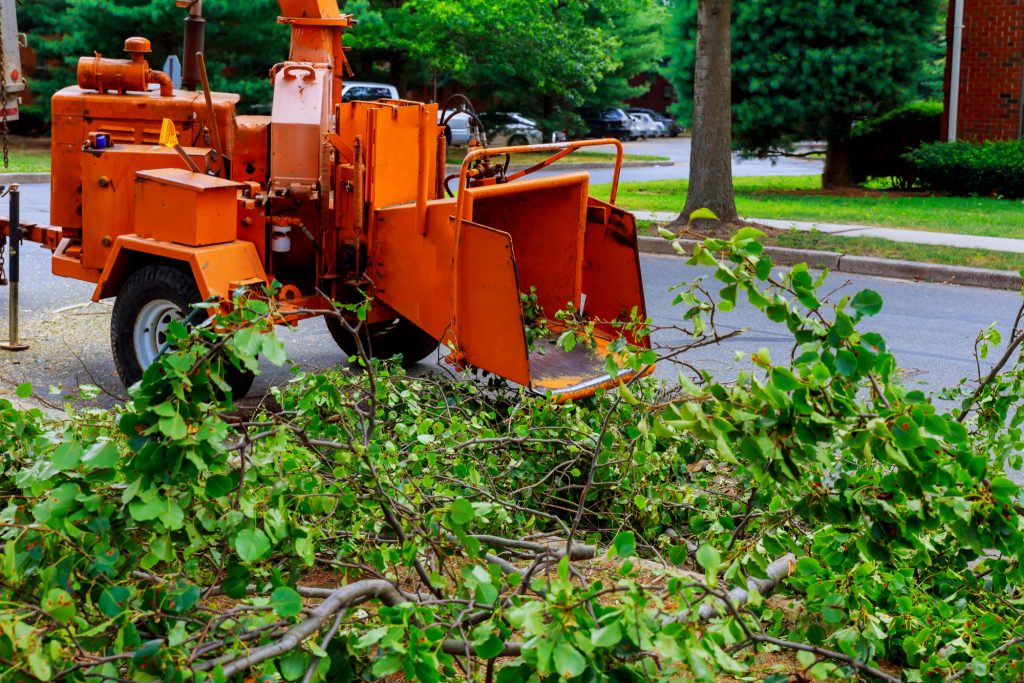
- A shredder is most often used for primary crushing when the feed material is large, heterogeneous, irregularly shaped, or needs to be “broken up” before undergoing finer crushing.
- A crusher is most often used to reduce a material to a more consistent size when the material has already been prepared and controlled granulation is required.
In many projects, the best results are achieved with a line in which a shredder prepares the feed stream and a crusher stabilizes the particle size distribution for subsequent operations.
Application Checklist: Input Data for Equipment Selection
Copy and fill out the form—this will speed up the engineering evaluation and help us select the right shredder or crusher for your specific conditions.
- Raw Materials
- Material type (exact name)
- A mixture or a single material
- Photos/videos of raw materials (if available)
- Incoming faction
- Maximum dimensions (mm)
- Form (film/sheet/pieces/hollow products/briquettes, etc.)
- Feeding method (manual/conveyor/hopper)
- Humidity
- Average humidity (%)
- Peak moisture content (%)
- Presence of liquids, organic matter, or clumping
- Additives
- Metal (yes/no, which one)
- Stones/sand/glass/other abrasives
- Is there any sorting before shredding?
- Output fraction
- Target size (mm)
- Permissible percentage of oversize
- Is uniformity/dust a critical factor?
- Performance and Mode
- Desired capacity (kg/hour or metric tons/hour)
- Work Schedule (hours/day, days/week)
- Is scalability necessary?
- Operating Conditions and Service
- Installation location (workshop/street, temperature)
- Service Availability
- Need for installation/commissioning/training
Get a quote for your project
Please fill out the checklist above and send it to us at info@ugn-inventclub.com —we will conduct an engineering assessment and propose a solution tailored to your raw materials and objectives.
UGN Invent Club


